
Garlic Prawns
So – what did you get in your Christmas stocking this year? Because I’m into cooking it’s guaranteed a good number of the presents I get will be kitchen related.
This year was no exception. Turned out one of the most useful and potentially time and temper saving items was a garlic peeler made of silicone. Cheers to my sister. At first I was pretty sceptical. This little thing is like a 15 x 4 cm silicone tube with serrated ends in bright orange. And that’s it. How’s that going to work? If you’ve ever used any of the recipes in any of my books you’ll know I’m a bit of a garlic fiend. I probably use it more smartly than I did when I started out but it’s definitely a key ingredient and features in many of my favourite dishes. On the down side, you must never burn the stuff (it’s bitter). You need to treat it with respect and watch it in the heat. And it can be a right faff to get the stubborn peel off. So I had a go with the tube and turns out its brilliant. You just bang however many cloves you need into the tube. Sit it on a hard surface and roll it backwards and forwards using the flat of your hand for a second or two and it literally falls off. Job’s a good ‘un.
Garlic’s not just a flavour enhancer. It’s a nutritional player. This is especially useful at this time of year when everyone’s got a cold or man-flu or whatever. It can fight off bacterial infections, helps if you’re bunged up, is good for blood health, helps protect against heart disease.
Team it up with onion (they’re related). Use it to lift your piece of lamb, chicken, fish. It works brilliantly with tomato and the whole range of Mediterranean vegetables. You don’t even have to include the garlic itself in a dish to flavour it. Try rubbing a cut clove around a salad bowl before you add the leaves and dressing. Or simmer a clove in a tomato sauce then remove it. Drizzle a whole head of unpeeled garlic with oil. Wrap it in foil. Bake it in a hot oven for 30-40 minutes until tender. Peel the cloves and spread the paste on warm bread or griddled vegetables. I found myself making up loads of tapas over the Christmas break. Great to enjoy some lighter easy dishes after the turkey and trifle. Tapas wouldn’t be tapas without garlic. Here’s a recipe for Garlic Prawns. Enjoy…
GARLIC PRAWNS
2-3 tablespoons extra virgin olive oil with a bit of butter
4 cloves garlic
350g raw prawns, peeled, de-veined
A bit of fresh parsley or coriander, finely chopped (optional)
Salt and black pepper
1. Peel the garlic (as above or trim the ends and peel them with your fingers). Slice it finely or dice it.
2. Heat the oil in a frying pan or wide saucepan
3. Add the garlic. Cook for 1 minute, stirring, checking that it doesn’t brown up and burn.
4. Bang the prawns in. Cook for 1-2 minutes, stirring. Cover and shake for another minute or two until the prawns are pink- white and tender. The time you need is size and temperature dependent so keep your eyes on them.
5. Remove immediately (they’ll continue to cook). Turn in the herbs if using and season.
6. Serve with bread to soak up the juices.
End of term Minestrone pot
Everything’s happening at once: snow in Scotland, Pandas in Edinburgh, pre-Christmas festivities, essays to finish, work to do and the kitchen and fridge to run-down before heading home. There are half packets of bits all over the place. So, it’s the perfect time for making up a great big casserole/soup that uses the lot of it, packs in the heat and racks up the energy. I guess this is a kind of Minestrone style vegetable base soup-stew. Bang a bit of bacon in there if you’ve got some and if you’re not veggie. Gather together bits of stray veg which still have life. I’ve got half a Savoy cabbage, lots of garlic, onions and courgettes, potatoes. I’ll add a bit of cooking chorizo. There’s a couple of cans of tomatoes, one of butterbeans. And I’m adding loads of odd bits of pasta shapes, linguine and spaghetti. All cooked up as in the recipe below then scattered with grated cheese and eaten with garlic bread – that’s me and my flatmates sorted for at least 2 meals. Tasty, easy, pretty nutritious and cheap, which is just as well as the dollar’s running out. Vary the mix of ingredients to suit what you’ve got left-over.
END OF TERM MINESTRONE POT
2 tbspns olive or groundnut oil
A good dollop of butter if you have any
4 rashers bacon (optional)
2 onions, peeled, sliced thinly
4 cloves garlic, diced or crushed
2 potatoes, peeled, chopped small
2 sticks celery (optional), sliced
2 carrots, peeled, sliced thinly
2 leeks, washed well, grit rinsed out, sliced thinly
Handful green beans, trimmed, sliced
2 courgettes, chopped
Salt and black pepper
1.5-2 litres stock (chicken from a Knorr Stockpot or homemade or Marigold)
1-2 cans chopped tomatoes
3 tbspns tomato puree
Pinch dried herbs or chopped windowsill fresh herbs of choice (basil, parsley, tarragon)
1 tspn sugar
1 450g can butterbeans or other
Handfuls of pasta shapes
Handfuls of spaghetti/linguine/tagliatelle or even egg noodles
Finely shredded cabbage
Cheese, grated to finish (cheddar, Lancashire, parmesan, goats)
1. Heat the oil and butter. Add the chopped bacon if using. Let it sizzle for 3-4 minutes to release the fat.
2. Add the onion. Reduce the heat. Stir and cook for 5-10 minutes until very soft but not coloured. Add the garlic. Stir and cook for 2 minutes.
3. Add the potato, celery, carrot, leeks. Stir. Cover with a lid or bit of greaseproof paper. Sweat and cook on very low heat for 10 minutes. Don’t let it colour up.
4. Add the chopped courgettes, beans. Stir for 1 minute. Add the stock, tomatoes, puree, herbs, sugar. Increase the heat. Boil. Reduce and simmer for 20 minutes.
5. Add the beans and pasta. Simmer on low for 10 minutes plus, stir sometimes. Check there’s enough liquid and add water if you need to. Season.
6. When your stew has a good rich flavour you can either stop. Cool. Chill. Or add the cabbage and cook for another 4 minutes. Taste and season again. Add a bit of lemon juice if you need to lift the flavour.
7. Serve in bowls with garlic bread or bread and butter.
You can add bits of chopped fried chorizo or ordinary sausage. Homemade meatballs. Grated cheese. Yoghurt. Enjoy….
Progress & Soup
Some cooking depends on the kit you use to make it. That’s not absolutely true. You can make just about everything by hand but sometimes the right bit of gear makes things loads easier. It knocks time off making a dish which means you’ll actually bother to do it. It saves muscle power. I’m thinking kneading bread here. For years I’ve been using our old home food processor. It’s seen me through all the books (testing, photo shoot cooking) and heavy duty everyday use. No one’s any idea how old it is. At the start of the year the seal on the lid gave way and my dad has been regularly putting it back together with a deft eye and superglue. This week it’s time in our kitchen came to an end.
My gleaming new Magimix arrived; the 5200 is used in many cooking schools and having used it I can see why. It’s powerful, quietly cool and so efficient. I knocked a pastry up in 3 minutes. Pureed butternut squash for a tart in 30 and blitzed a soup in 15. Kitchen shops are packed with machines: but a good solid processor’s a great choice. It’s designed to do the cooking for you but it makes you cook. I always find I use it more in winter than in summer; that’s when I’m making more of the comfort foods, pastries, dough. Which brings me back to soups; they’re cheap, nutritious, easy to make, tasty if you’ve got the right recipe and help keep the cold out. Watercress is a great choice because of the nutrients. Vary the cheese you use in this one to change the taste and texture. It’s great to eat with my treacle bread or any brown bread toasted up into soldiers.
Watercress Soup
225 g watercress
40g butter
1 onion, chopped
1 leek, white part, washed well, thinly sliced
2 cloves garlic, crushed
1 medium potato, peeled, diced small
900ml chicken/vegetable/marigold stock or water
Salt and black pepper (not too much salt if you’re using a bought stock)
50g Stilton or Cheddar or Parmesan or Lancashire Cheese crumbled or grated
1 tablespoon lemon juice
2 teaspoons mustard
3 tablespoons low fat crème fraiche or milk (optional)
4 slices treacle bread (see all my books) or whatever you have in
1.Roughly chop the watercress. Prep the other vegetables. Sort your stock out.
2.Melt butter on low heat. Add the onions, leek, garlic. Cook very gently for 5-10 minutes until soft but not coloured. Don’t forget to stir it sometimes.
3.Add the diced potatoes. Cover the pan. Cook very gently for 4 minutes.
4.Add half the watercress. Cook for 1 minute. Add the stock and seasoning. Bring the mix to the boil. Reduce the heat. Simmer, lid on, for 15 minutes.
5.Stir in remaining cress. Simmer for 5 minutes. Add the cheese, lemon, mustard. Stir and taste. Adjust the seasoning.
6.Let the mix cool for 5 minutes. Pour into your processor. Blitz for a few seconds until it’s smooth. No big machine? Use a hand held stick blender.
7.Taste. Re-heat. Eat with toast soldiers. A good one to flask up to take out with you the next day.
Community Volunteers Day
Saturday was Community Volunteers Day. Divine Chocolate (home of the best fair-trade chocolate) decided to support it by giving away hundreds of bars of the good stuff plus my recipe for Chocolate Fridge Cake; the idea being that people could make up a batch and take it to someone who doesn’t normally get a slice of something nice; an isolated neighbour, homeless centre, you know what I’m saying.
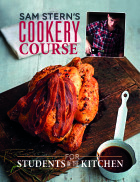
If you fancy getting involved, the recipe is below or you might have seen in The Guardian Family Section. By the way, it’s a great thing to make for Halloween or Bonfire Night. I also highly recommend the gorgeous Toffee Apple recipe in the Student Cookbook. My mum always turned them out at this time of year: fantastic childhood memories. You’re never too old.
Finally, there’s always that annual favourite to make; The Chocolate Satsuma. I know I mention them every year but they are special. Peel some Satsuma’s. Melt the chocolate as per the method below. Roll the fruit in the melt. Set to dry on baking paper. Don’t store them in the fridge but in a cool dry place in a box (they lose their bloom if they chill). Enjoy – and share, why not. Back to the essays – so many this year.
CHOCOLATE FRIDGE CAKE
200g milk chocolate (Divine)
200g dark chocolate (Divine)
Finely grated zest of half an orange (wash and dry it first)
4 tablespoons golden syrup
175g butter
176g digestive biscuits
125g raisins
100g natural glace cherries, quartered
75g dried apricots, finely chopped
A small handful of flaked almonds
1. Set a heat proof basin into the top of a pan which is a third full of very gently simmering water.
2. Break the chocolate into the pan. Add the syrup and butter which has been cut into bits. Leave it to melt.
3. Crush the biscuits in a freezer bag but not too finely. Throw them into a bowl with the dried fruit and almonds.
4. Remove the bowl from the heat when the mix has melted. Stir it together. Pour into the dry mix and stir thoroughly.
5. Line an 8in shallow cake or brownie tin with Clingfilm (lay two bits across in a cross shape then mould it to fit the base, trying to get the creases out. Bring it up over the rim so you can lift stuff out eventually.
6. Pour the contents in. Smooth it into the corners. Cool. Refrigerate.
Tis' the Season for Soup
So, is it summer, autumn or early winter? I’m hugely confused. As is my appetite which was telling me I wanted to eat salads over the weekend. I heard a TV chef talking on the radio about having BBQs. His idea was to blend the season with the sunshine and BBQ some hare, rabbit and autumn-foraged mushrooms. Sorry, but that’s not my idea of practical eating.
Anyway, the temperatures will inevitably be heading down pretty soon. And there’s snow forecast for a couple of week’s time. I’m prepared this year. Last winter found me wellington bootless up here. And every shop in Edinburgh seemed to have run out. This term, I’m armed with boots and a load of thick jumpers. And when the cold arrives I’ll be turning out stuff like homemade soups and bigger cheaper roasts for sharing with my new housemates: food to suits everyone’s tastes and our student budgets. Here’s one from the Student Cookbook for you to try.
The great thing about Mulligatawny is that it’s cheap, easy to make, tastes like a curry (it is a curry), its nutritious (protein in the lentil and a good balance of vegetables). Make it up for a load of people for one meal or for a few with plenty left to freeze or to-go or just re-heat for the next day. I think it needs a good amount of fresh coriander to lift the flavour. Try buying it from markets (where it’s loads cheaper) or asian shops (ditto) or have a plant growing on your windowsill for all your coriander needs. Otherwise, the mark-up on those tiny packs is ridiculous. Alternatively, some supermarkets do freezer packs of ready-chopped herbs which are really good and brilliant value.
Mulligatawny Soup
1 tablespoon butter or groundnut oil
1 large onion, finely chopped
A pinch of salt
3 cloves garlic, crushed
2.5 cm piece of ginger, grated
3 teaspoons korma or your favourite curry paste – a good brand
50g red lentils, rinsed
1 x 400g can chopped tomatoes
450g courgettes, chopped
1 large sweet potato, peeled, chopped
1.2 litres vegetable stock, or water or chicken stock
2 teaspoons mango chutney
Fresh coriander
Lemon juice
1.Fry the onion, salt in oil or butter over gentle heat for 5 minutes or until soft.
2.Add the garlic, ginger, curry paste. Stir well. Cook for 6 minutes over that low heat.
3.Add the lentils. Stir. Add the tomatoes, courgettes, potato. Increase the heat for 2 minutes. Then decrease. Cover and simmer gently for 15 minutes.
4.Add the stock, chutney, some of the coriander. Increase the heat for 2 minutes. Reduce, Cover the pan and simmer for 10-15 minutes.
5.Check the taste and adjust the seasoning, adding lemon juice to create a good sharp appetising flavour.